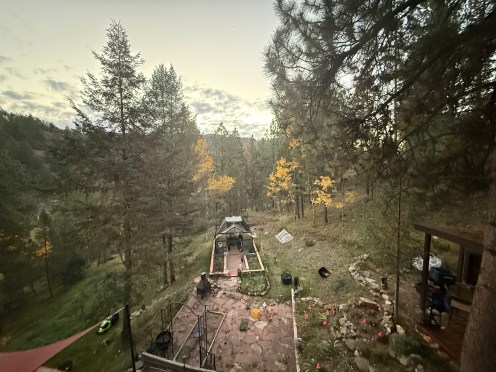
After a challenging season of drought, higher temps than average, and the frequent question, “WTF am I even doing gardening on the side of a mountain?”, I am ready to “put these hoes to rest” (though I think Cardi B meant the other kind of hoes).

The garden needs to heal and recover, as do I. The average first frost date for my area has already come and gone. We’ve had one light frost and a few chilly nights, but the forecast for the next two weeks looks mild and consistent. Which, if you know anything about Colorado or living at 8,000 feet, you know could very well be inaccurate. Still, keeping faith in my favorite local independent forecaster, I will forge forth and enjoy these bonus days I get to spend in the autumn garden.
Without further ado, I present my current fall plan to prepare for the most incredible 2027 garden season.
Eviction Notice Served: to dead foliage, plastic invaders, rogue tools, and dirt that refuses to stay in its lane. The quiet revolution starts with clearing the clutter.
I’ll be honest: my gardening style is less “curated landscape” and more “chaos witch’s workshop.” My walkways are an obstacle course of scattered tools, random containers, and mystery buckets of water—evidence of the never-ending work. Admittedly, after a long, grueling day of working the mountain soil, I regularly abandon the mess entirely for a cold drink and a hot shower. Cleanup is always a tomorrow problem around here.
Thankfully, I haven’t been alone in creating this beautiful disaster. I have a five-year-old assistant whose design philosophy is pure, unadulterated chaos.
So far, her main contributions to our homestead include:
- Populating the garden beds with an army of miniature figurines and Barbies who look like they are actively staging their own tiny revolution.
- Re-engineering our walkways by systematically relocating each individual piece of pea gravel from the greenhouse and placing it (seemingly) directly under my feet.
- Commandeering every watering can, rain barrel, and bucket on the property to establish a high-volume, zero-revenue toy washing station.
- Conducting unapproved botanical alchemy by crushing neon sidewalk chalk directly into the flagstone moss like a mad forest witch.

Beyond the man-made messes, nature loves to join the chaos, too. We recently survived a rock slide into parts of the garden and driveway, the woodpile is currently a disorganized stack nowhere near ready to provide on cold nights, and I still have an entire acre of intense fire mitigation to battle through. It turns out evicting the clutter is going to take a lot more than a broom.
The Great Fall Migration: Moving plants to new homes—and launching an aggressive erosion-control campaign
This is the phase where perennials get dug up, divided, and shipped off to new locations. Some are being gifted to friends’ houses and yards, while the rest are being drafted into front-line service. I am relocating yarrow and woodland sage into the rockslide area. I figure if anything can hold a mountain wall together and mitigate future erosion, it’s a network of stubborn alpine roots. Added bonus? Getting the opportunity touse supplies I already have.
To reinforce these botanical defenses, I’ll also be filling sandbags with the rockslide debris to fortify the “gutter” on the dirt road directly above my property—knocking out two of my clutter eviction goals at once. Between the plants and the sandbags, I feel like all those hours I spent playing Animal Crossing are really coming in handy. If only I had real-life terraforming abilities…
Meanwhile, on the other side of the migration, it’s time for the great pepper rescue. I successfully grew one pepper from seed this year. My first pepper ever! So, naturally, I have decided to overwinter the pepper plants. They will be packing their bags to overwinter indoors, trading the temp swings in the greenhouse for a cozy spot inside where they can just vibe through the winter.
Tucking in the Soil: How to put a battered mountain garden bed to sleep using pure regenerative sorcery and a lot of hope.
After a brutal summer, my soil is exhausted, and, so am I. But every great summer garden requires fall maintenance. So, to ensure the large beds (that have really taken a beating this summer) are thriving by spring, I’m treating them to a heavy-duty overwintering ritual. This isn’t just cleanup; it’s a strategic, multi-layered blanket of soil food. The particular bed I am working on has always been compacted, dead and dry. I have tried many things to no avail and I believe that my plan to reinvigorate the beds and incorporate regenerative practices will make a huge change, at least I hope.
Here is the ritual for my high-altitude soil treatment:
- Green Blanket: I’ve already sown White Dutch clover as a cover crop. I’ve been adding to all the the “dead zones” – where plants die no matter what type it is or the care it receives. It’s already doing its job job of fixing the nitrogen, helping with top soil erosion, and helping with moisture retention.
- Calcium Cocktail: I’m adding a specialized calcined clay to break up our stubborn, compacted mountain clay and boost structural porosity to the areas I remove or add plants.
- Witch’s Brew: Next up is a massive, heavy watering session followed by a drenching of earthworm casting tea infused with mycorrhizae. It’s essentially an organic probiotic shot and a fungal inoculation straight to the microbiome. Which will have the soil singing like Lil’ John’s “Shots, Shots, Shots”.
- Winter Reinforcements : To lock in that precious moisture and protect the underground regeneration from freezing solid too fast, I’m topping the bed with certified seed-free straw and a final layer of heavy tree branches so the mountain winds don’t blow my hard work into the next county.
By the time the spring thaw arrives, this bed is going to be fertile, loose, and ready for action- I hear taking shots will do that.

Seed saving, winter sowing, and burying the promises of a chaotic spring.
This is where the magic happens. While the rest of the mountain is shutting down for winter, I’m plotting my 2027 takeover by collecting, saving, and burying seeds that require the harsh alpine winter to wake up.
Here is what is going into the dirt before the hard freeze locks everything down:
- The Sub-Zero Alliums (Garlic): My hardneck garlic cloves will be getting tucked into their freshly amended, nutrient-dense trenches.
- The Cold-Hardy Greens: I’m sowing lettuces for a sneaky last minute fall crop in the greenhouse.
- The Wildflower Resistance Network: this seasons fall wrap up is scattering perennials that actually require a freeze-and-thaw cycle (stratification) to grow. I’m throwing around Native Wildflowers, Milkweed, Coneflower, and Asters everywhere!
Your Move, Mother Nature
So, there you have it: my full fall battle plan for a high-altitude garden restoration, and the recipie for the last nightcap before winter.
Soon, the hoes will officially be put to rest. Left to its own devices under the frost, the soil microbiome will begin to rebuild itself, preparing to wake up well-rested and ready to grow. With a bit of luck and sturdy roots the rockslide will be countered with a front-line defense, and maybe i’ll leave an army of plastic toys to stand guard over our frozen empire of garlic, clover, rich soil and wildflower seeds.
Living at 8,000 feet means accepting that Mother Nature always gets the last laugh. She will almost certainly throw an unpredictable curveball at us before our fall projects are finished. But with a heavy blanket of alfalfa hay, a fortress of tree branches pinning down my hard work, and a soon-to-be mountain of new roots anchoring the hillside, we are going to hit the ground running.
Let the snow fall. The 2027 garden revolution is already brewing.
This is our quiet revolution.
Grab a Spade and Grow with Us.
Leave a Reply